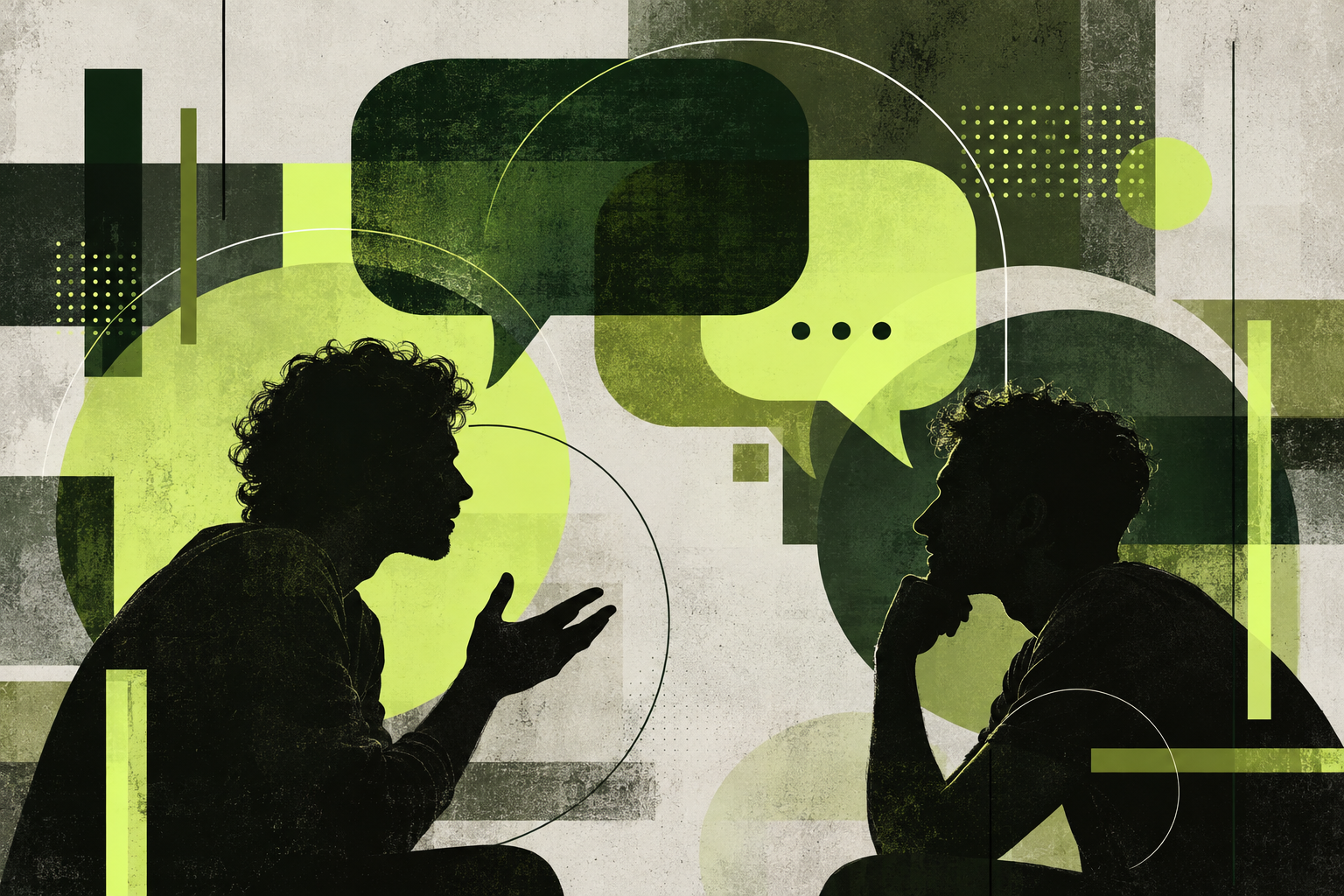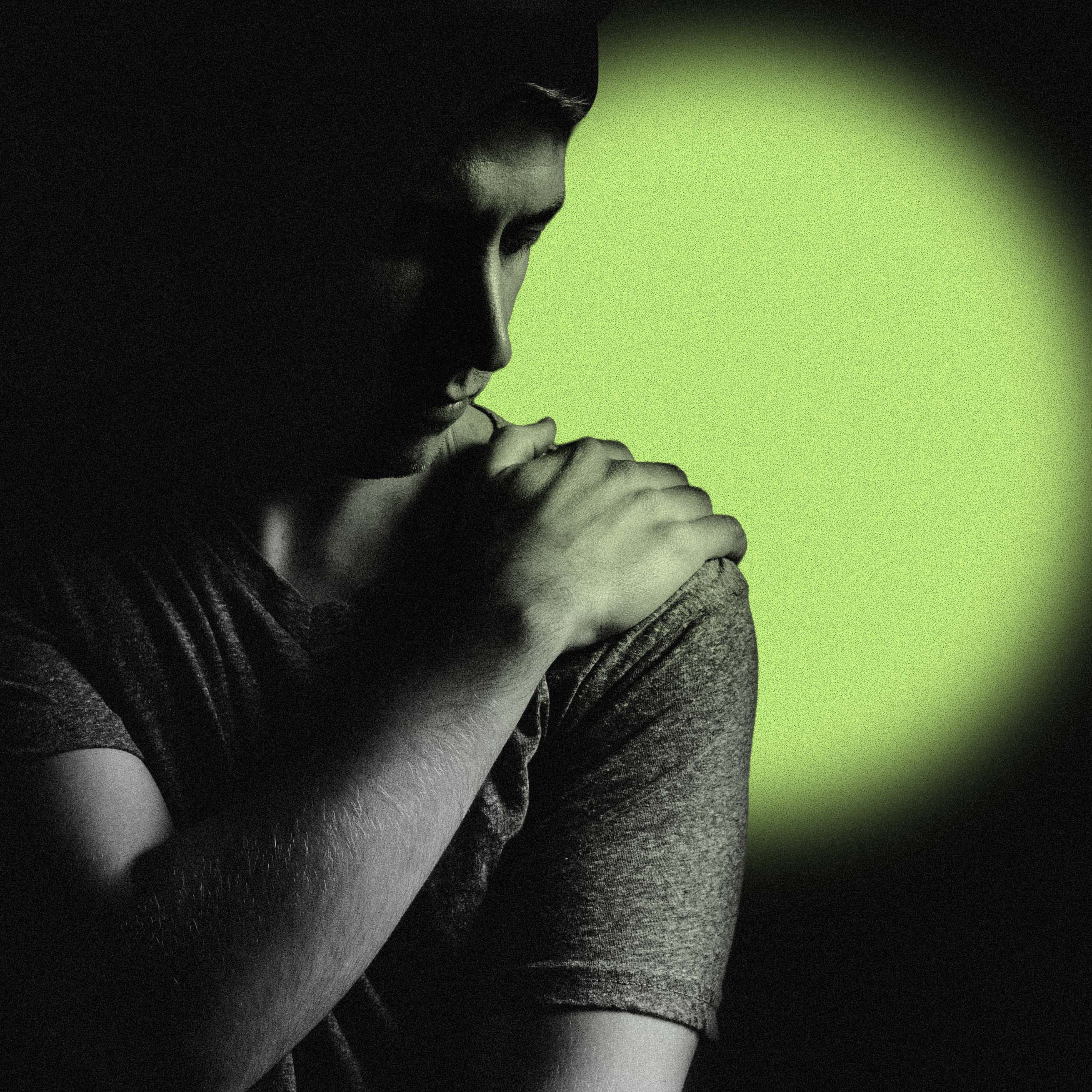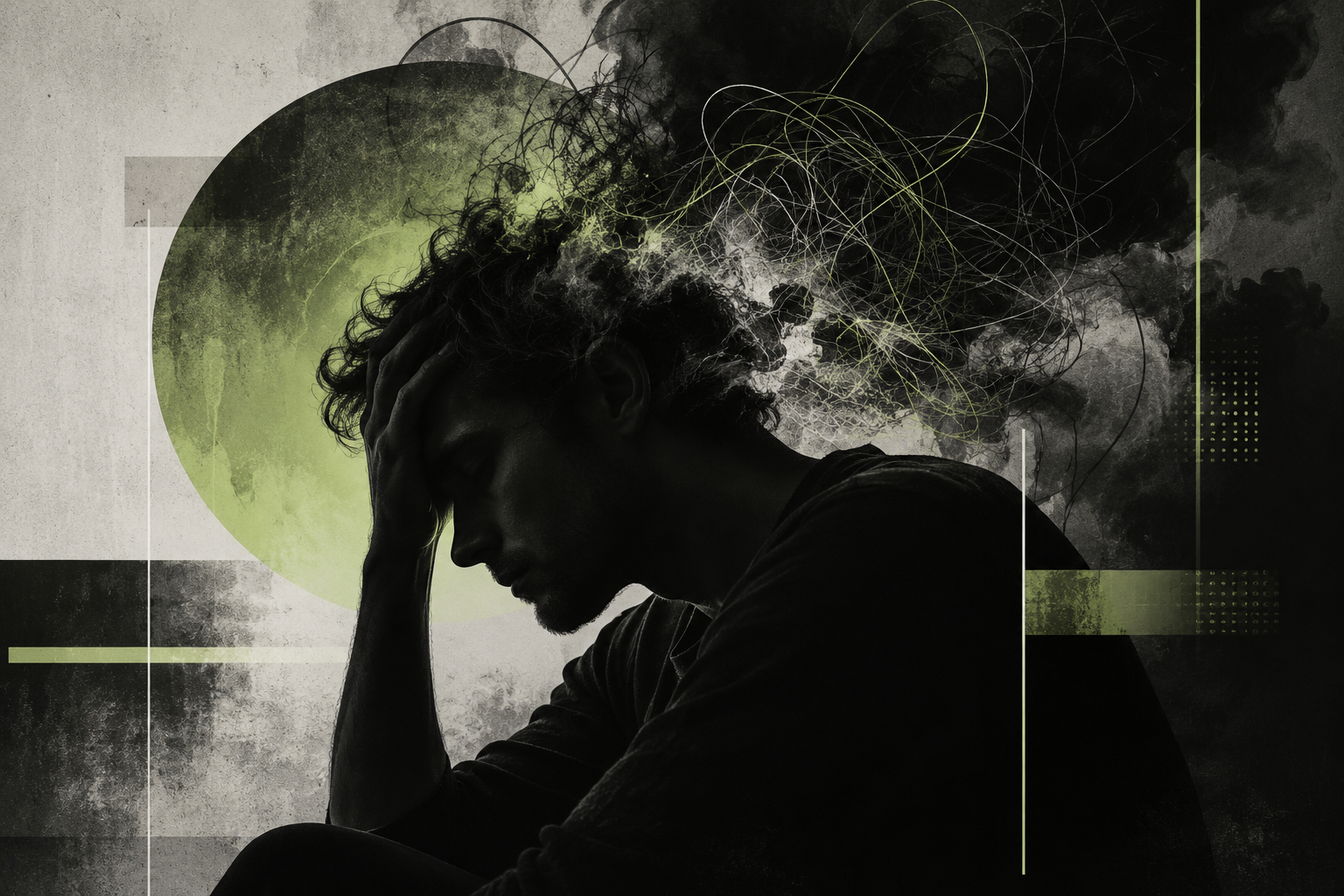
Anxiety is one of the most common mental health experiences in the world. Yet, when you are in the middle of it, it can feel deeply isolating. Whether it shows up as a constant background hum of worry, sudden spikes of panic, or a persistent feeling that something is about to go wrong, living with unmanaged distress takes a heavy toll on your energy, relationships, and well-being. Finding effective anxiety disorder treatments is a vital step towards reclaiming your quality of life.
Understanding what anxiety is, why it happens, and how targeted anxiety therapy can support you is the foundation for lasting relief and recovery.
What Are Anxiety Disorders & How Do They Work?
Anxiety is your body's natural response to a perceived threat. Historically, this internal alarm system, often called the fight, flight, or freeze response, kept our ancestors safe from physical dangers. When your brain senses a hazard, it triggers a surge of adrenaline and cortisol, preparing you to run or fight.
In modern life, however, our threats are rarely physical predators. They are work deadlines, financial stresses, relationship conflicts, or uncertainties about the future. The difficulty arises when your brain cannot tell the difference between a life-threatening situation and an everyday stressor. When the alarm system gets stuck in the "ON" position, it can develop into clinical anxiety disorders and treatment becomes necessary to help regulate the mind and body.
Common Symptoms & Types of Anxiety
Anxiety can manifest across different areas of life, from general worry to specific conditions requiring tailored support:
- In the body: Rapid heart rate, shallow breathing, muscle tension, stomach distress, dizziness, fatigue, or difficulty sleeping.
- In the mind: Racing thoughts, constant "what-if" scenarios, difficulty concentrating, or feeling on edge.
- In behaviour: Avoiding specific places or social situations, over-preparing, procrastination, or constantly seeking reassurance.
- Specific conditions: Panic attacks, social anxiety, and health anxiety can all disrupt daily functioning, making professional anxiety and therapy a key pathway to stability.
Practical Coping Strategies You Can Try Today
While long-term healing often involves deeper exploration through dedicated anxiety treatment therapy, there are evidence-based tools you can use immediately to help regulate your nervous system when distress rises.
1. Grounding Your Physical Body
Because anxiety activates your sympathetic nervous system, physical techniques help send safety signals back to the brain.
- Box Breathing: Inhale slowly for 4 seconds, hold for 4 seconds, exhale for 4 seconds, and hold empty for 4 seconds. Repeat for 2 to 3 minutes. Extending your exhale lowers your heart rate.
- The 5-4-3-2-1 Technique: Look around your room and name 5 things you can see, 4 things you can physically touch, 3 things you can hear, 2 things you can smell, and 1 thing you can taste. This pulls your mind out of racing thoughts and back into the present moment.
2. Notice and Reframe Anxious Thoughts
Anxiety loves to catastrophise, taking a small worry and escalating it to the absolute worst-case scenario. When you notice an anxious thought (for example, "I'm going to ruin this presentation"), ask yourself:
- Is this thought a proven fact, or is it an assumption?
- What is the evidence for and against this thought?
- What is a more balanced, grounded way to view this situation?
3. Practice Gentle Acceptance
Fighting anxiety often creates "anxiety about anxiety", doubling the discomfort. Instead of trying to force the feeling away immediately, acknowledge it: "I notice my chest feels tight and I'm feeling anxious right now. This is uncomfortable, but it is not dangerous, and it will pass."
How Counselling and CBT for Anxiety Help You Heal
While self-help strategies are valuable, managing complex anxiety and treatment on your own can feel overwhelming. Professional anxiety and therapy provide a safe, non-judgemental space to understand the root causes of your distress and build personalised strategies for lasting change.
One of the most effective tools available is cognitive behavioural therapy for anxiety (CBT for anxiety). This structured approach helps you evaluate how your thoughts, emotions, and actions influence one another, giving you practical ways to interrupt cycles of fear.
Depending on your unique experience, targeted approaches within cognitive behavioural therapy can make a significant difference:
Cognitive Behavioural Therapy for Social Anxiety
Helps dismantle fears of judgement, self-consciousness, and social avoidance, giving you confidence in group or public settings.
Cognitive Behavioural Therapy for Panic Attacks
Teaches you to reframe alarming physical sensations so panic spikes lose their power and subside more quickly.
Cognitive Behavioural Therapy for OCD and OCD Therapy
Provides targeted strategies like exposure and response prevention to break cycles of intrusive thoughts and compulsive behaviours.
Taking the First Step
Experiencing persistent worry does not mean you are weak or broken; it simply means your nervous system is working overtime to protect you. With structured support, evidence-based tools, and self-compassion, you can retrain your brain's alarm system and re-engage fully with your life.
If anxiety is interfering with your daily life, relationships, or peace of mind, exploring anxiety therapy options is a strong, brave first step towards feeling grounded again. Reaching out to a professional allows you to discover the right anxiety disorder treatments for your unique journey.