Navigating a relationship with another man comes with unique rewards, but it also presents challenges that your heterosexual friends simply do not face. If you have ever looked at straight couples around you and wondered why maintaining your own partnership feels like running an obstacle course, you are not imagining it. The differences go far deeper than personal compatibility or communication styles, and understanding these hidden dynamics is the essential first step towards building a stronger, more resilient bond.
Men and Mental Health
Men often face societal pressures that discourage them from discussing mental health. Breaking the stigma surrounding men's mental health is crucial for encouraging open dialogue. By sharing experiences and supporting one another, men can create a safe space for discussing their mental health challenges. It is important to recognize that seeking help is a sign of strength, not weakness.
1. The Weight of Minority Stress
Heterosexual couples grow up seeing their relationship model reflected everywhere in mainstream culture. Gay men, however, grow up in a society that frequently treats their attraction as an exception, a phase, or something to hide. Even in Australia, growing up gay often involves years of hyper-vigilance, closeted living, or fear of social rejection.
Psychologists refer to this cumulative load as minority stress. This chronic stress does not vanish when you come out or enter a committed partnership. Instead, early self-protection mechanisms follow men into their relationships, often manifesting as extreme hyper-independence, perfectionism, or an instinctual expectation of criticism and abandonment from a partner.
2. Navigating Double Masculine Socialisation
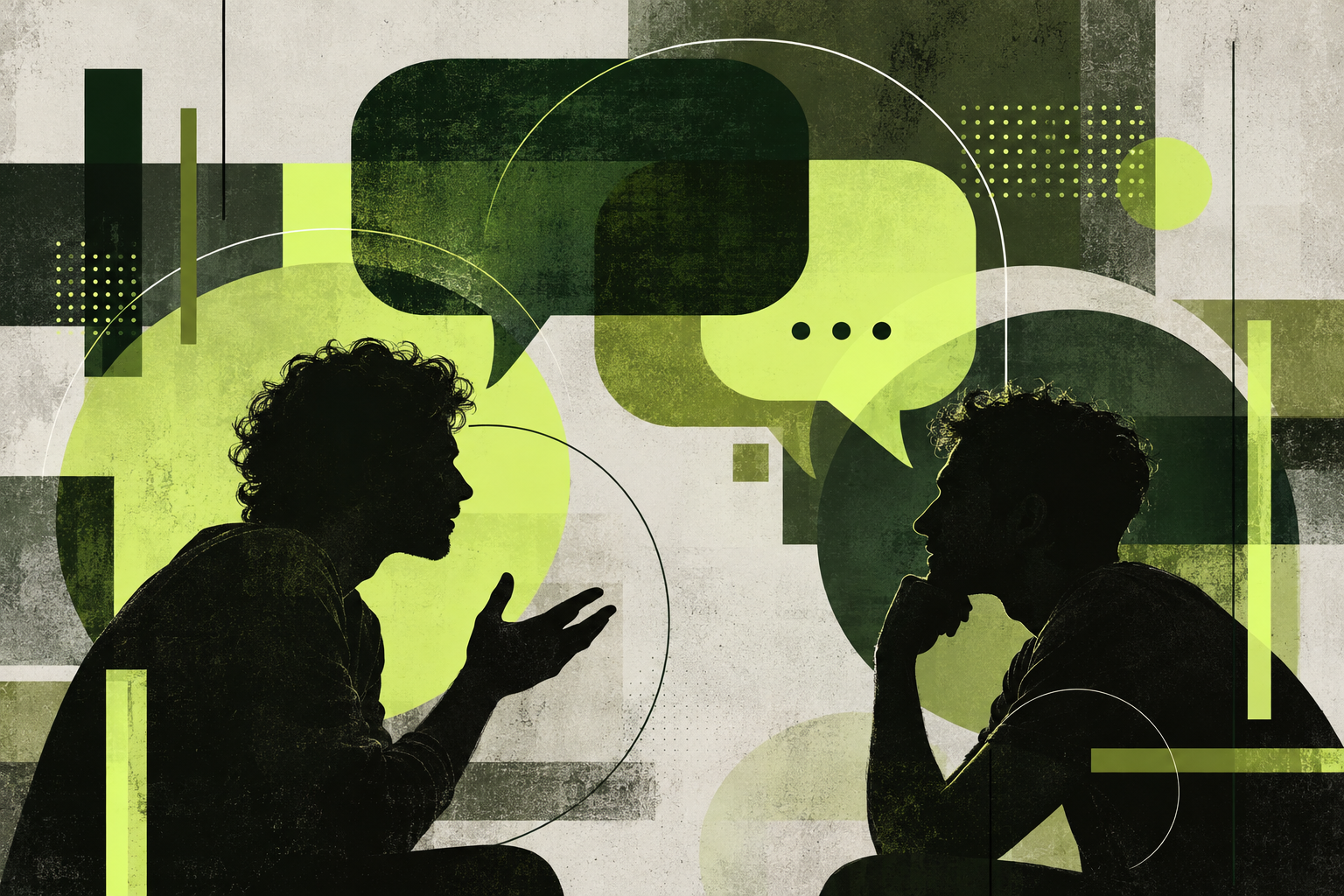
In heterosexual dynamics, partners are typically raised under different gender socialisation. In gay male relationships, both partners have been conditioned under the same cultural rules of traditional masculinity. From an early age, boys in Australia are often taught to suppress emotional vulnerability, rely strictly on self-sufficiency, and channel distress through anger, work, or withdrawal rather than open dialogue.
When two men share a life, this double masculine conditioning can create distinct relational hurdles:
- Dual avoidance: Both partners pull back to process feelings internally, creating emotional distance.
- Competitive dynamics: Arguments quickly turn into battles over control or who is "right," rather than collaborative problem solving.
- Emotional silence: Expressing fear, insecurity, or a need for reassurance can feel inherently unsafe or unmanly.
3. Defining Your Own Rules
Straight relationships come with pre-packaged social scripts for milestones, domestic roles, and commitment expectations. Gay couples, on the other hand, must build their relational structures from scratch. While this freedom is liberating, navigating questions around open relationships, non-monogamy, cohabitation, marriage, or family planning without clear societal templates requires continuous, explicit communication to avoid unspoken misunderstandings.
4. Public Vs. Private Energy
Heterosexual couples can hold hands walking down the street, attend family gatherings, or mention their spouse at work without a second thought. For gay men, public displays of affection or introducing a partner still involve a subtle, automatic safety assessment. Is this space safe? How will people react? This constant micro-assessment consumes real mental energy, subtly draining your emotional reservoir over time.
5. How Tailored Support with a Male Counsellor Can Help
Unpacking these layers is significantly easier in a space where you do not have to spend time translating the nuances of the gay male experience. As an experienced therapist, I provide general counselling for individuals and couples, with a dedicated specialty in supporting men through gay relationship challenges, identity, and life transitions.
If you are seeking an LGBT therapist or a qualified gay counsellor who understands these exact dynamics, working with a male therapist offers key benefits:
- Shared Understanding of Masculine Socialisation: An experienced male therapist inherently understands the unspoken rules, cultural expectations, and conditioning Australian men navigate daily.
- A Safe Space for Unfiltered Vulnerability: Whether you need a dedicated gay therapist to explore sex, power dynamics, or intimacy, a tailored environment lets you drop your guard without feeling judged or misunderstood.
- Targeted Insights into Relationship Friction: Therapy helps decode when conflict stems from competing self-defence habits rather than a lack of love, equipping you with practical tools to break through emotional standoffs.
Strengthening Your Partnership
Recognising these external pressures validates that your challenges are often structural rather than personal failures. You can build a healthier dynamic by naming external stress when it arises, practising deliberate vulnerability, and defining success on your own terms rather than comparing yourselves to heterosexual norms.
Whether you are seeking support for personal growth, general mental health, or specific relationship guidance, connecting with an LGBT therapist or gay counsellor who specialises in these dynamics can help transform hidden pressures into opportunities for deeper, lasting connection.