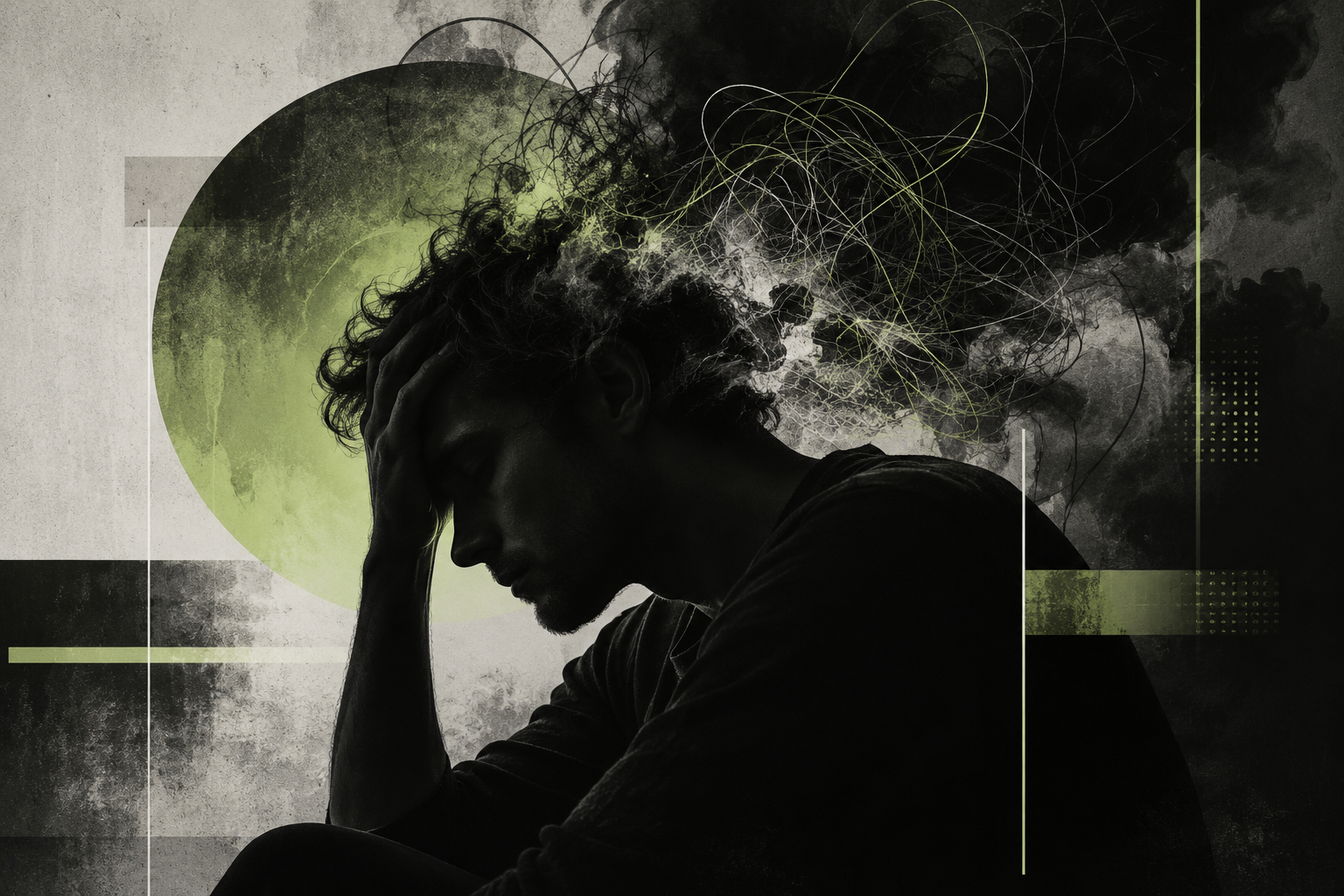
If you live with chronic back pain, migraines, or persistent joint discomfort, you already know the physical exhaustion. What is less discussed is the emotional toll that comes with it.
As a counsellor, I frequently see clients struggling with both physical pain and mental fatigue, often feeling as though they are fighting a battle on two fronts. It is time we stop treating physical pain and psychological wellbeing as separate issues.
Recent research highlights just how intertwined they really are. A global meta-analysis led by Johns Hopkins Medicine found that roughly 40% of adults living with chronic pain also experience clinically significant anxiety or depression. Further research from Chronic Pain Australia reveals that 71% of respondents developed a mental health condition following the onset of their physical symptoms.
This connection is not merely emotional. It is biological.

Modern neuroscience shows that physical pain and mood regulation share the exact same pathways in the central nervous system. Prolonged physical pain alters brain chemistry, specifically depleting neurotransmitters like GABA in the prefrontal cortex, the region responsible for regulating emotion and coping mechanisms. When GABA levels drop, the brain becomes hypervigilant, creating a feedback loop where emotional stress directly amplifies physical pain signals.
Because of this mechanism, clinical trials are increasingly proving that targeted psychological interventions can physically alter how the brain processes pain.
For example, landmark clinical trials led by Neuroscience Research Australia and the University of New South Wales tested specialised brain re-training and cognitive therapies on patients with chronic back pain, migraines, and fibromyalgia. The trials demonstrated that targeted behavioural therapy does not just help people "cope" with pain; it calms overactive neural pathways in the prefrontal cortex, leading to significant, measurable reductions in physical pain intensity.
Treating chronic pain purely as a structural or bodily issue leaves out a crucial piece of the puzzle. Incorporating psychological support, cognitive behavioural techniques and mindfulness helps rewire these neural pathways.
By addressing the mental component alongside physical care, we can quieten the nervous system, interrupt the cycle, and restore balance. If you are managing persistent pain, the emotional weight you carry is real, valid, and biologically linked to your body. Treating the whole person is essential for long term recovery and wellbeing.